
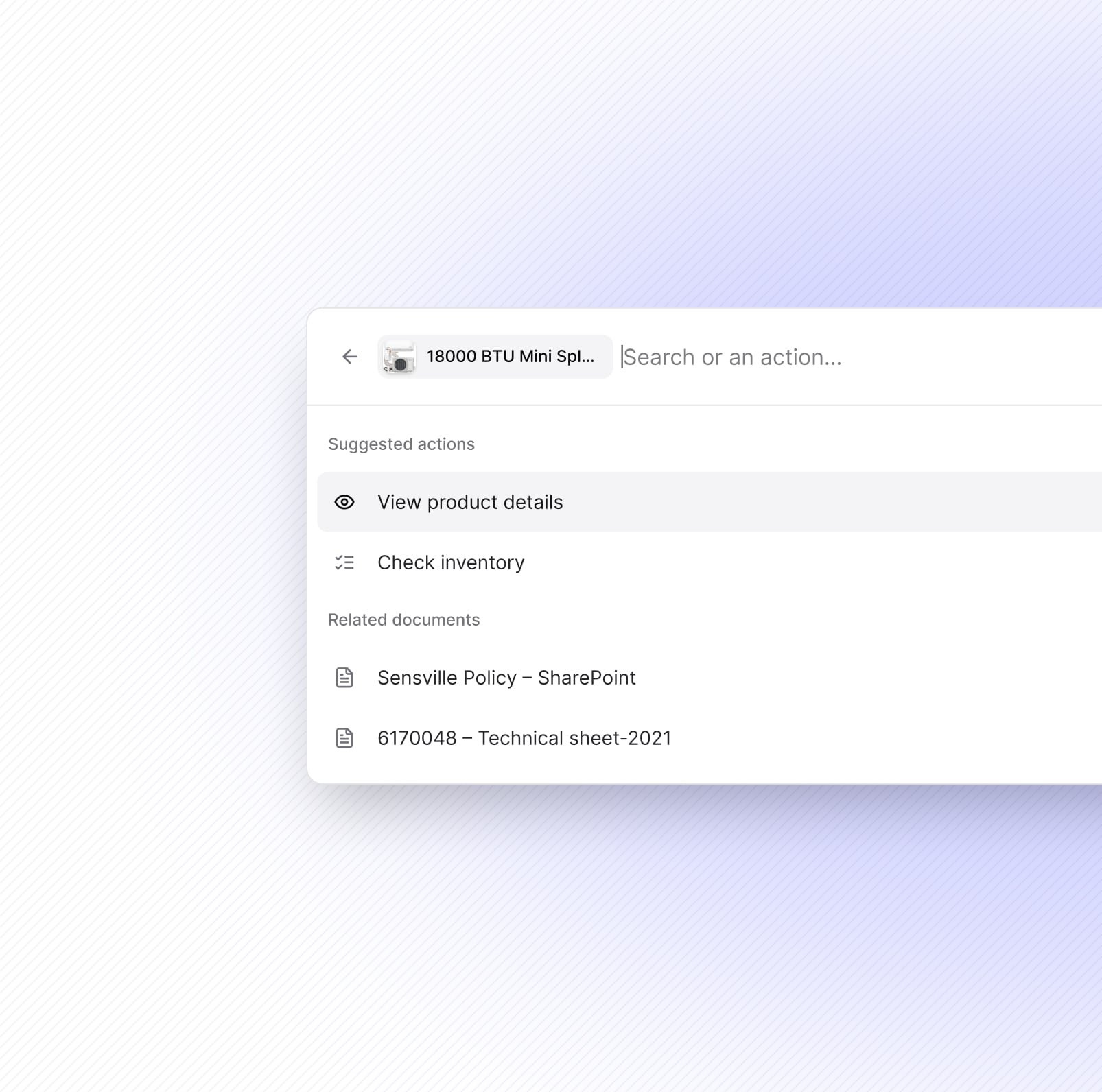
Canac runs its stores on SAP—without touching SAP.
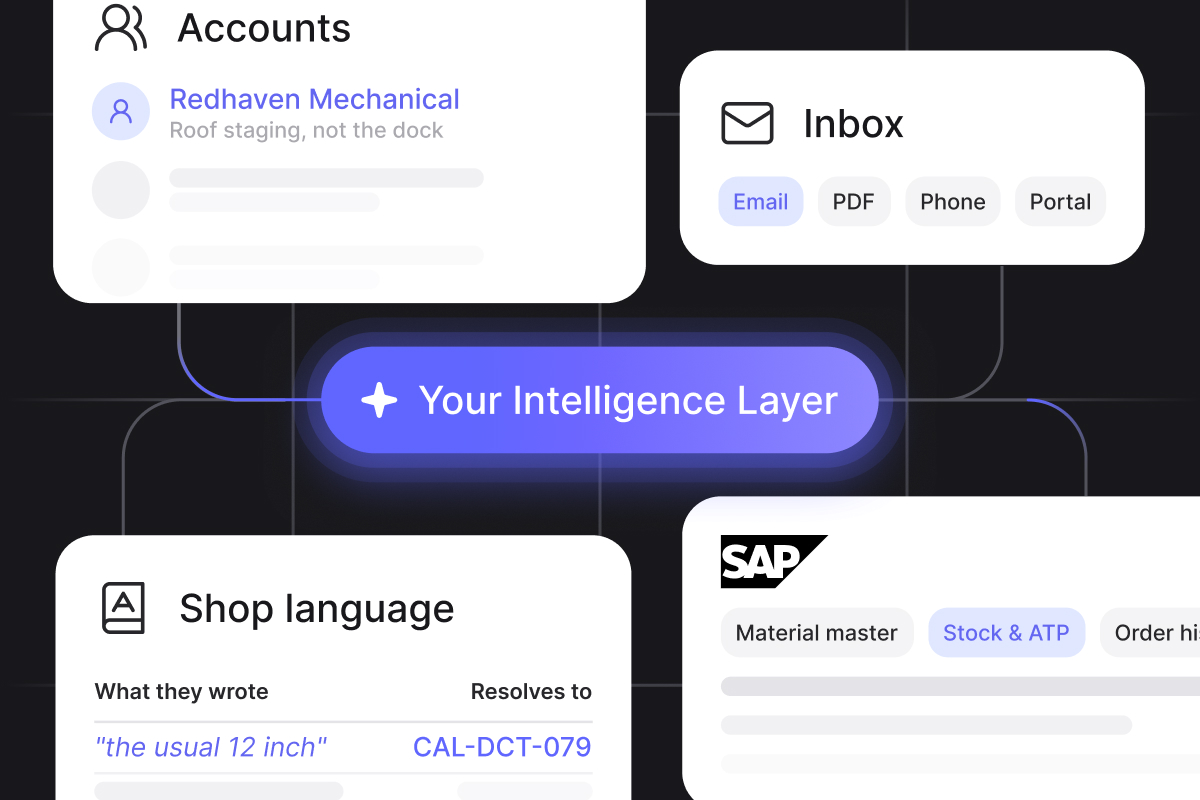
Large retail organizations rely on ERP systems like SAP to manage inventory, pricing, orders, logistics, and financial control.
Canac is no exception.
Five years ago, Canac undertook a major transformation: moving from a legacy system to SAP to standardize its operations across stores, plants, and distribution. The objective was clear: stability, scalability, and long-term control. The SAP deployment was intentionally kept as close to standard as possible.
That decision paid off.
But as day-to-day retail operations evolved, a new reality emerged:
while the system worked, execution on the floor became harder.
Rather than re-customizing SAP or fragmenting its architecture, Canac chose a different path, introducing an operational layer on top of SAP to better align systems with how work actually happens in stores.
That decision led to the integration of Frontleap.
The operational challenge after SAP standardization
SAP brought structure, rigor, and control to Canac’s core processes. Inventory, orders, and pricing were centralized and reliable.
However, in a fast-moving retail environment, Canac identified growing friction for frontline teams and operations leaders:
- inventory and product availability spread across multiple systems
- slow, fragmented search across items, locations, and stock types
- complex steps to create quotes and convert them into orders
- operational steps disconnected between stores, plants, and logistics
- increasing cognitive load during peak periods
Each year, more than 1,500 employees are trained on Canac’s operational processes. Even with solid training, the gap between system logic and store reality remained.
The issue was not SAP.
It was the absence of a unified operational layer across SAP S/4HANA, SAP Sales Cloud, and SharePoint, built around day-to-day execution.
Starting with the most critical retail use case: inventory & availability
Canac and Frontleap intentionally began with the highest-impact operational domain:
inventory and product availability across all stores and plants.
For retail operations, availability is everything.
If teams cannot answer “Do we have it, where, and when?” quickly, execution breaks down.
What Frontleap enabled
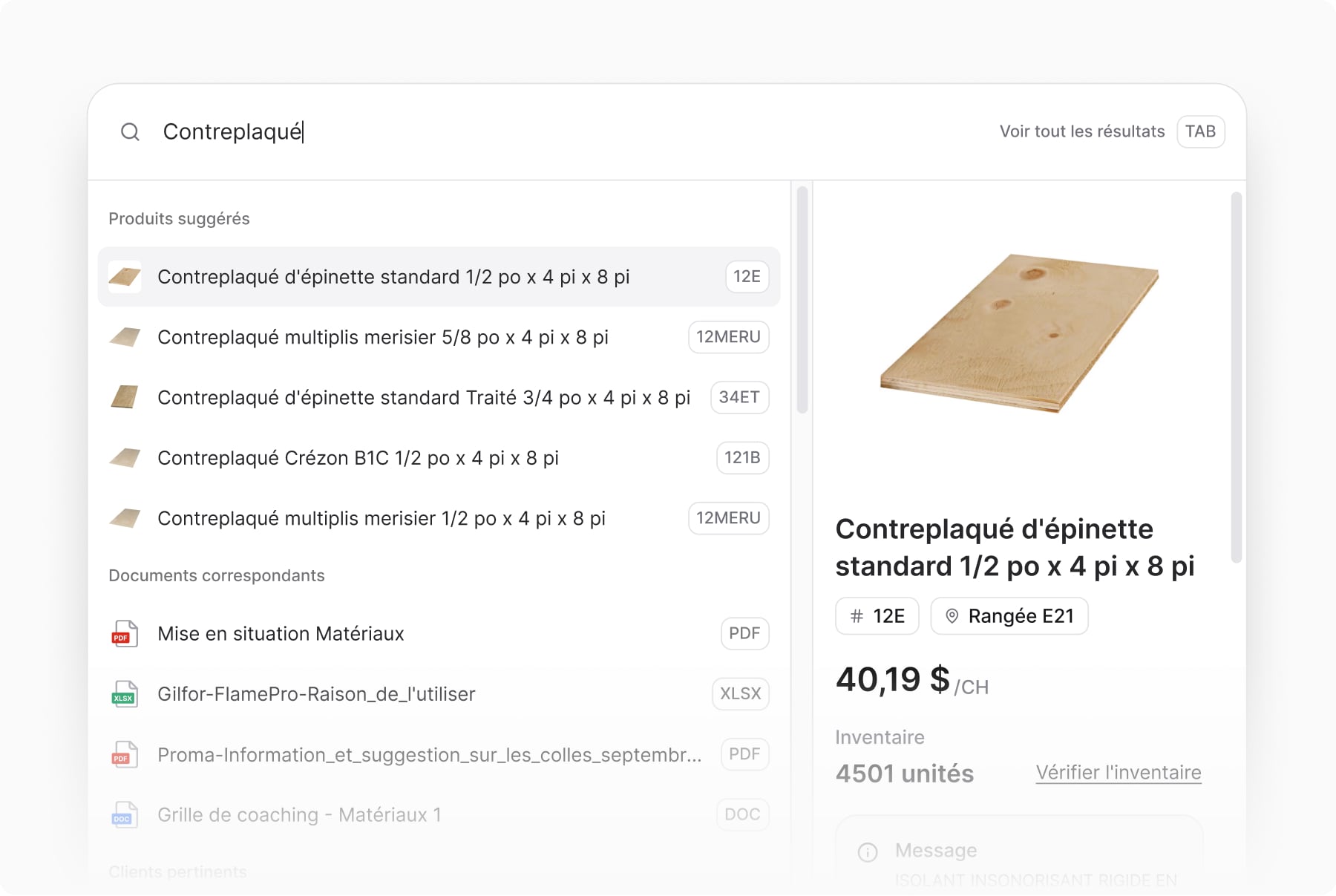
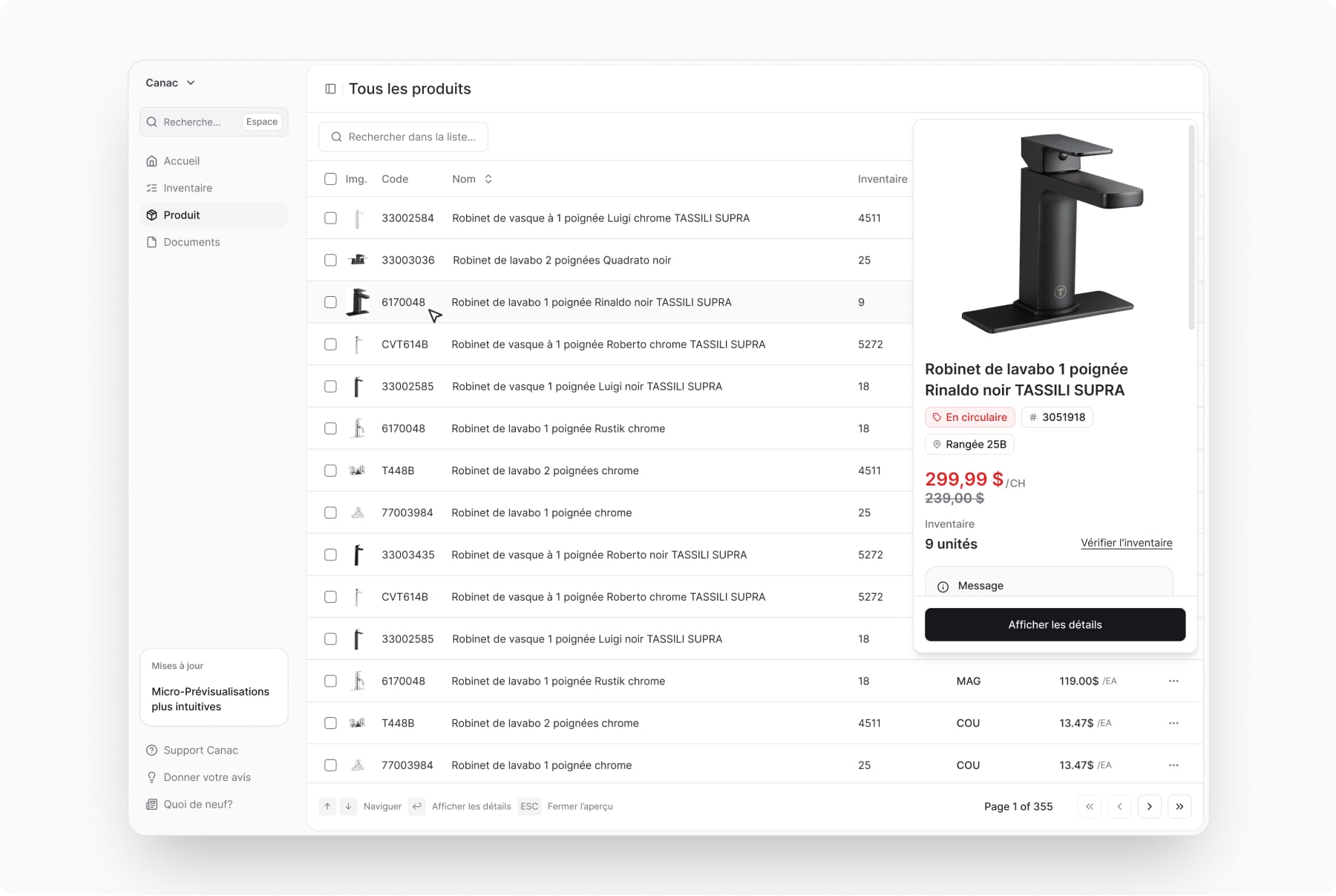
Instead of navigating multiple SAP transactions and data tables, Frontleap introduced a snappy, task-oriented operational interface that allows teams to:
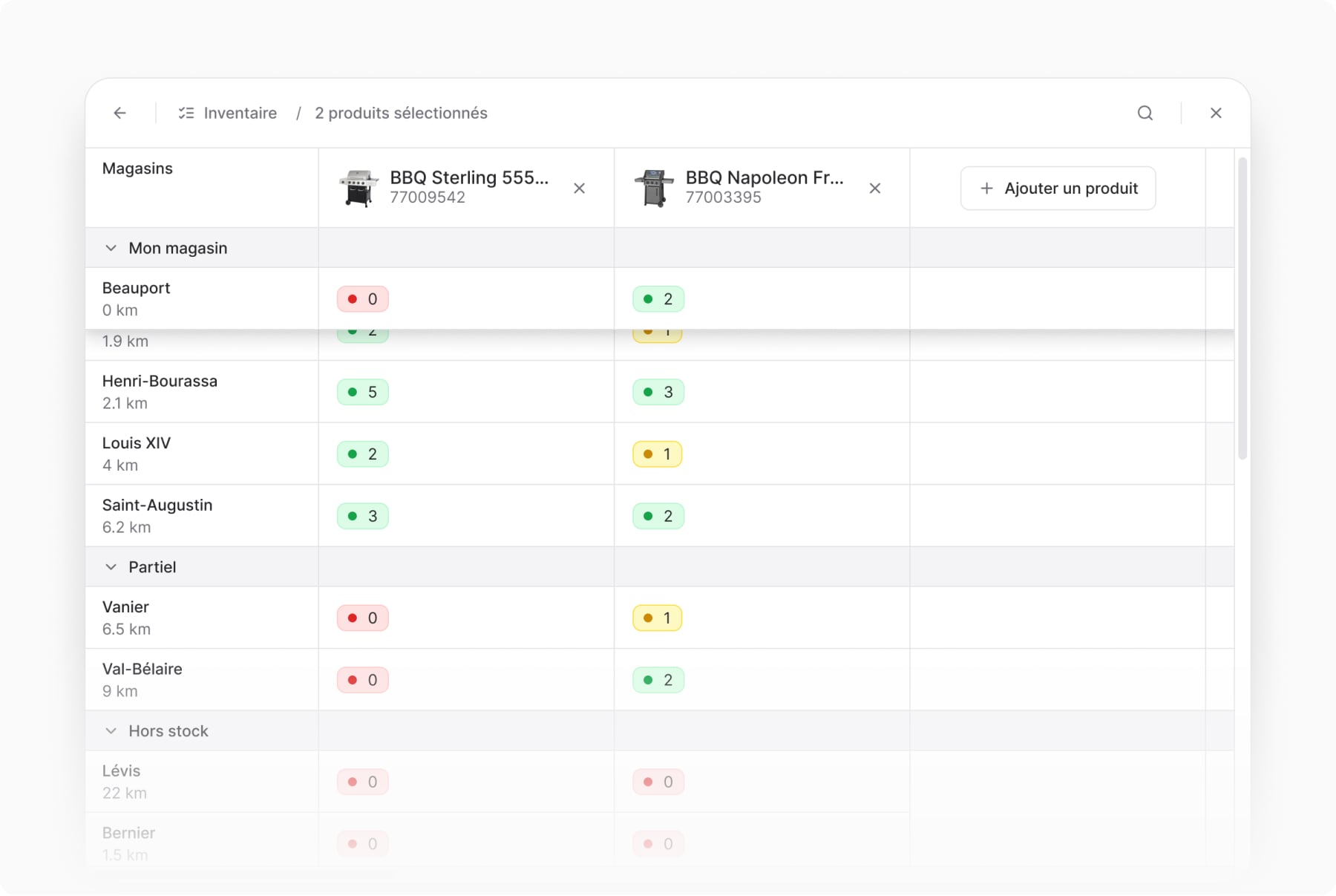
- search inventory across stores, plants, and warehouses
- query multiple data entities (products, variants, locations, quantities) in one action
- access availability in real time without switching systems
- move from availability to quote or order creation seamlessly
This single improvement removed dozens of micro-frictions repeated hundreds of times per day.
Extending the operational layer across core retail workflows
Following the deployment of inventory and product availability, Canac has committed to progressively extending the value delivered by Frontleap across other high-impact retail workflows.
One of the next focus areas is quotes and order creation. By building on the availability foundation already in place, Frontleap is expected to help streamline how quotes are generated, ensure tighter alignment between quoting and ordering, and reduce friction between sales teams, store operations, and back-office processes. The objective is not to change underlying systems, but to make the path from customer request to confirmed order clearer and more reliable.
Future phases will aim to simplify execution for warehouse and logistics teams, promote greater consistency across locations, and improve synchronization between operational actions and SAP records. As with earlier phases, the emphasis remains on standardizing how work is executed without introducing ERP customization.
Across all current and future extensions, the guiding principle remains the same: simplify execution at the workflow level while preserving the integrity of the ERP.
Understanding real work before designing workflows
A defining element of the project was Canac’s openness to direct operational observation. Rather than relying solely on documentation or system metrics, the organization chose to expose real store operations to close, hands-on analysis.
As part of the collaboration, Frontleap’s co-founder David Dupont spent one day per week on site, working alongside store and operations teams in real conditions. This immersion surfaced realities that dashboards rarely capture. Employees routinely develop workarounds to compensate for system complexity, small frictions repeat hundreds of times per day and quietly erode productivity, and the same task is often executed differently depending on context. In practice, ERP steps do not always align with operational intent.
These observations reinforced Canac’s strategic conclusion: the objective was not to re-engineer SAP, but to re-engineer execution.
Frontleap as an operational layer on top of SAP
Frontleap was deployed as a business process operational layer positioned between SAP and frontline teams. Rather than replacing existing systems, it orchestrates workflows across them, translating complex system logic into clear, task-oriented execution for daily operations.
By presenting information based on what teams need to do rather than how data is structured in the ERP, Frontleap reduces navigation and cognitive load. Operational actions are synchronized with SAP in the background, allowing teams to work without waiting on system responses while preserving data integrity. This approach keeps the overall architecture clean and stable, ensuring that execution improves without introducing fragile customizations or compromising the ERP.
Impact across the entire organization
For frontline users
- faster, clearer daily workflows
- reduced cognitive load
- fewer screens and repetitive steps
- easier onboarding and training
For operations leaders
- full control over how processes run
- standardized execution across stores and plants
- fewer errors and exceptions
- ability to improve workflows without waiting on IT
For IT teams
- no heavy SAP customization
- clean, modular architecture
- better visibility into process and data flows
- managing processes instead of custom development projects
Preparing operations for AI the right way
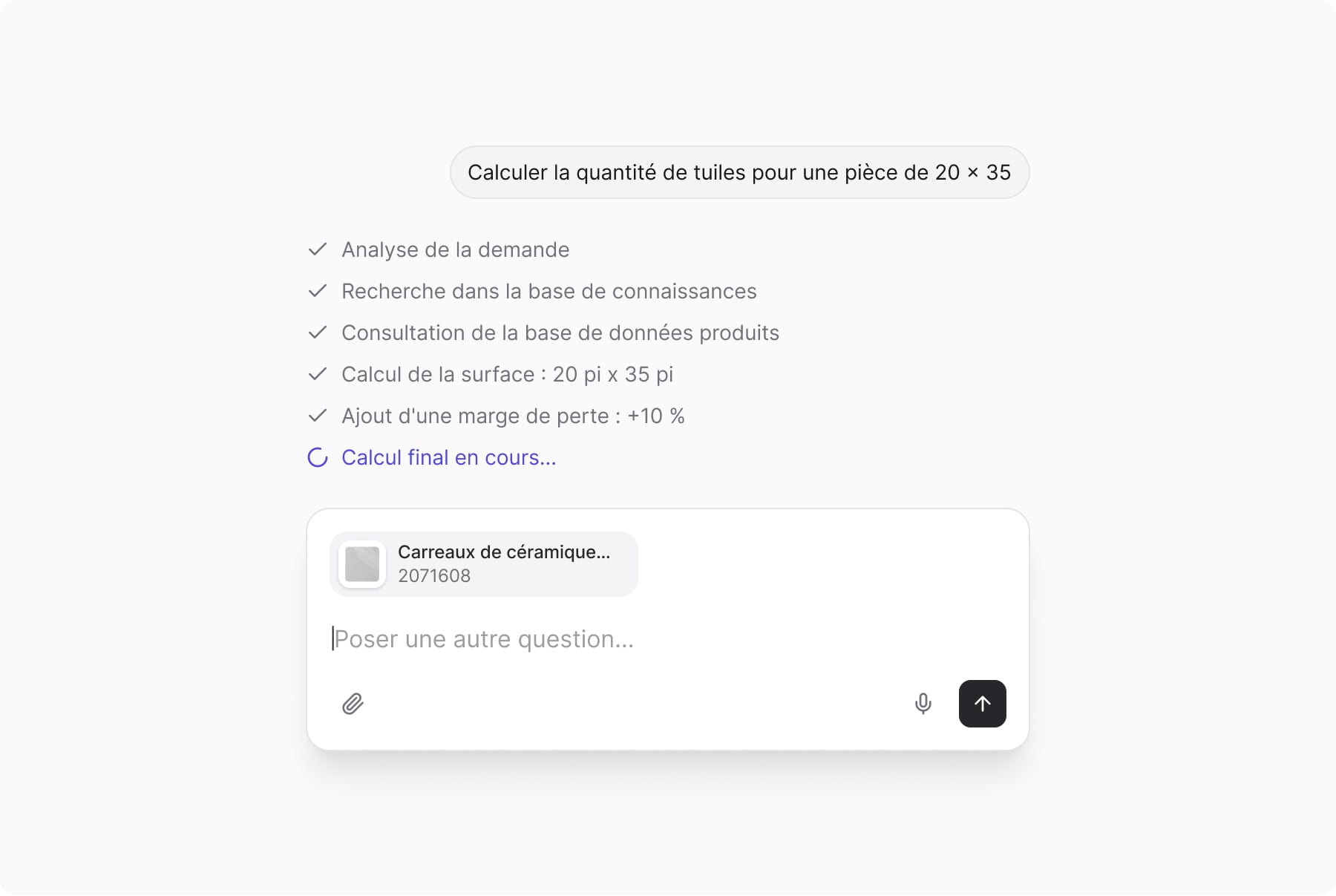
Canac did not adopt Frontleap with the goal of adding AI features for their own sake. The objective was more foundational: to make operations AI-ready.
In many organizations, AI initiatives struggle because operational data comes from fragmented processes and inconsistent execution. When work is done differently from one person or situation to another, the data becomes unreliable.
By standardizing execution through a dedicated operational layer, Canac is creating cleaner and more consistent process signals. Tasks are executed in a uniform way, operational steps are clearly defined, and data enters core systems in a more structured and reliable form. This reduces variability and removes much of the ambiguity that typically undermines AI initiatives.
As a result, Canac is building a solid foundation for future AI use cases such as forecasting, optimization, and decision support, without relying on assumptions or guesswork.
Why this model matters
Canac’s journey reflects a broader shift in how enterprise organizations approach operational improvement.
Meaningful progress no longer requires replacing core systems, launching large-scale transformation programs, or relying on fragile customizations. Instead, it comes from understanding how work actually happens, simplifying execution at the workflow level, and introducing a clear operational layer between systems and the people who use them.
For ERP-driven organizations, in retail and beyond, this model offers a pragmatic path to improving daily operations while preserving system stability—and to preparing for the next generation of capabilities with confidence.
Authors

Frequently asked questions
What is Frontleap, exactly?
Frontleap is the execution layer that runs alongside your ERP. Your ERP stays the system of record; Frontleap is where the work actually happens — order entry, product search, inventory lookup, document access — in an interface built for the people doing it. Nothing is duplicated and nothing is replaced: we hold the last 20% of the ERP, the part your teams currently handle with spreadsheets, email and workarounds.
Do we need to replace or modify our ERP to use Frontleap?
No. Frontleap runs alongside your existing ERP, without modification to your core systems. Your ERP keeps operating exactly as before, and your IT team keeps full control of its configuration and security. We don't rip and replace anything — we sit on top and send clean, validated transactions back into the system of record.
How long does implementation take and what's involved?
Most deployments run one to three months, in three steps: connecting to your existing systems, configuring the workflows your business actually uses, then a pilot with one team before wider rollout. We deploy progressively — one location or department first, expanding once it's proven. No disruption to daily operations.
Is Frontleap secure and compliant?
Yes. Single sign-on with your existing identity provider, role-based access controls, encrypted transmission. We don't store your sensitive business data — we read it in real time from your secured systems. Everything stays inside your existing security perimeter and compliance frameworks.
What can Frontleap handle?
Order entry and modifications, product search and inventory lookup, quote generation, returns and credits, customer account management, access to specs and pricing documents, multi-location stock visibility. In practice: anything where someone has to jump between screens or systems to get one job done.
Why not just improve our current ERP?
Because the problem isn't your ERP — it's the distance between it and the people using it. ERP projects deliver the system of record; they rarely deliver adoption at the counter. Frontleap runs independently of your ERP version, so it doesn't break with upgrades, and your teams are productive in a fraction of the usual ramp-up.
Does Frontleap work on mobile and in-store devices?
Yes, any device with a browser. Desktop, tablet, phone. The interface adapts to the screen, and works with the hardware already on your floor, like scanners and receipt printers. Your teams can look up stock, build orders and process transactions from anywhere in the building.
What is AI-assisted order entry for SAP?
AI-assisted order entry uses AI to interpret an incoming customer request, map it to the products and information stored in SAP, identify missing or uncertain information, and prepare the sales order before a representative approves it. With Frontleap, the AI works alongside the existing ERP rather than replacing it. SAP remains the system of record, while Frontleap handles the operational work required to turn an unstructured customer request into a clean, validated transaction.
How does Frontleap turn an email or PDF into an SAP order?
Frontleap reads the customer request from an email, PDF or information captured during a call and identifies the products, quantities and other order details it can determine. It then resolves those details against your catalogue and relevant ERP context, including stock, pricing, customer information and previous orders. Instead of guessing when information is unclear or missing, Frontleap surfaces the exception to the representative. The rep reviews the prepared order and approves the clean transaction before it reaches SAP.
Can Frontleap understand customer product names that do not match SAP material numbers?
Yes. Frontleap is designed for the gap between how customers describe products and how those products are represented in the ERP. A customer may use an abbreviation, an old part number, a local nickname or a description such as “the usual 12 inch.” Frontleap uses catalogue information and operational context to resolve that language to the appropriate product. When there is not enough information to make a reliable match, it asks the representative rather than silently selecting a material.
What does Frontleap validate before an order reaches SAP?
Frontleap can use the information surrounding the transaction — including catalogue data, inventory, pricing, customer account information, previous orders and business context — to prepare the order before it reaches SAP. The objective is not simply to extract fields from a document. It is to determine whether the order is ready to process and identify what still requires a human decision. Missing information, uncertain matches, pricing questions and other exceptions remain visible to the representative for review.
Does Frontleap create SAP orders automatically, or does a representative approve them?
Frontleap is designed around human approval where a business decision is required. The AI prepares the order, resolves what it can from your systems and operational knowledge, and isolates the exceptions that genuinely need attention. The representative can then review, correct and approve the result before the validated transaction is sent to SAP. This allows teams to automate repetitive order preparation without asking an AI system to make business decisions that should remain with the people operating the desk.
Does Frontleap replace SAP or require changes to our ERP?
No. Frontleap runs alongside SAP rather than replacing it. SAP remains the system of record for the transaction, while Frontleap provides an execution layer where frontline teams can prepare orders and make operational decisions. This separation means the order desk can get a simpler, task-oriented workspace without turning the initiative into another ERP replacement project. Frontleap connects to the existing enterprise environment and sends validated transactions back to the system of record.
How long does it take to implement Frontleap Order Desk?
A typical Frontleap deployment runs approximately one to three months. The process starts by connecting the relevant enterprise systems and modelling the workflows, terminology and rules used by the order desk. Frontleap can then be introduced with one team, location or workflow before expanding more broadly. The objective is to prove the workflow against the customer’s own operating baseline rather than require a large transformation program before the order desk can start using the product.